
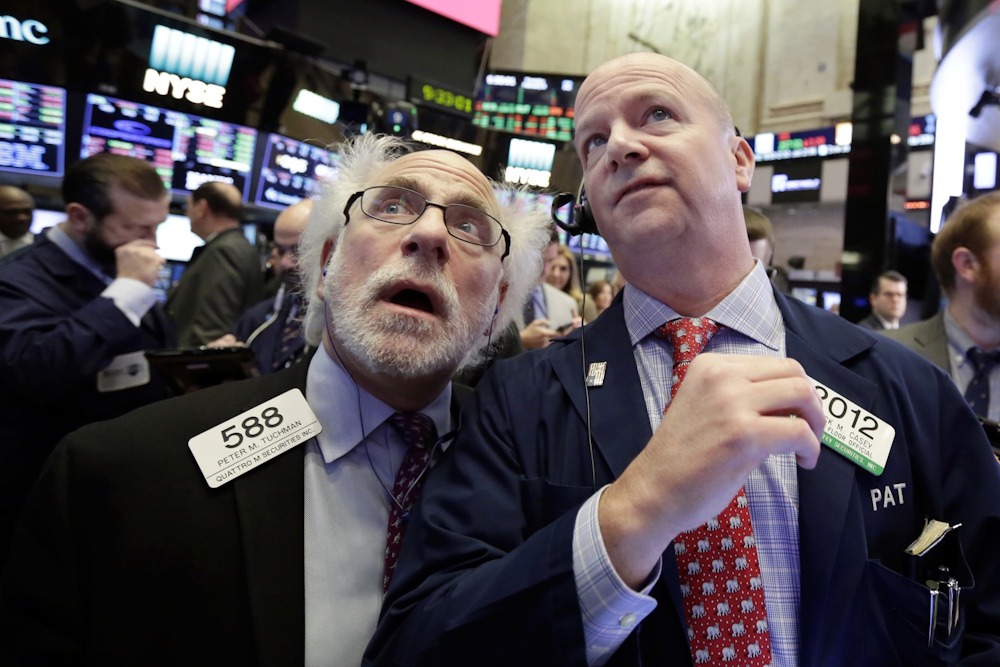
S&P futures experienced an uptick on Wednesday, coinciding with a decline in oil prices following a tumultuous prior session, as market participants closely monitored the evolving situation regarding the U.S.-Israeli conflict involving Iran. Futures associated with the Dow Jones Industrial Average increased by 123 points, representing a rise of 0.2%. S&P 500 futures increased by 0.4%, whereas Nasdaq-100 futures rose by 0.6% following a decline on Tuesday night. Treasury Secretary Scott Bessent informed on Wednesday that the U.S. plans to issue “a series of announcements” aimed at facilitating the flow of oil through the Persian Gulf. This follows President Donald Trump’s statement on Tuesday regarding the provision of insurance for tankers in the Gulf and the potential deployment of the U.S. Navy to escort these vessels through the Strait of Hormuz, should the situation require it.
The surge in oil prices, which had been observed following the outbreak of conflict in the Middle East, experienced a decline on Wednesday after Bessent’s remarks. Brent crude oil futures experienced a decline of 0.7%, whereas West Texas Intermediate crude futures fell by over 1%. Both concluded Tuesday’s trading below their session peaks, having risen more than 4%. Bessent also stated on Wednesday that Trump’s 15% global tariff, which was announced late last month, is set to be implemented this week. He expressed his belief that U.S. tariff rates would “within five months” revert to levels seen before the Supreme Court’s ruling that invalidated the president’s tariff policy.
On Tuesday, Trump announced that the United States would extend risk insurance to all maritime trade traversing the Persian Gulf, aiming to facilitate the movement of tankers through the Strait of Hormuz. Tanker traffic through the Strait, recognized as the world’s most crucial transit route for crude oil, experienced a complete cessation following threats from the Iranian Revolutionary Guard commander to ignite vessels attempting to navigate the passage. Meanwhile, Israel announced it had initiated another series of strikes on Tehran, with the nation’s defense minister asserting a commitment to “crush” the capabilities of the Iranian regime. “We are in the headline-watching business at the moment, with competing stories shifting market sentiment on an hourly basis yesterday,” Deutsche Bank’s Jim Reid wrote in a Wednesday morning note. “From a market perspective, the primary concern is the absence of any indication from either side of a de-escalation, and if anything, it appears that tensions are continuing to intensify.”
As U.S. futures indicated a favorable start on market, European stocks also experienced a rebound on Wednesday. “Amid all the noise we might be seeing some opportunities start to emerge in markets for longer term investors, in our view, especially if we start to see energy prices stabilize and potentially moderate in days and weeks ahead,” stated James McCann in a note.