
S&P futures experienced an uptick on Tuesday, coinciding with a decline in oil prices following a volatile trading session, as market participants closely monitored the latest developments from Iran. Futures associated with the Dow Jones Industrial Average increased by 120 points, representing a 0.3% rise. Futures for the S&P 500 increased by 0.2%, whereas those for the Nasdaq 100 rose by 0.3%. Oil prices, having experienced a significant surge recently, declined sharply on Tuesday. West Texas Intermediate futures declined by 6%, now trading at $89.12 per barrel. Brent crude experienced a decline of 6.4%, settling at $92.60.
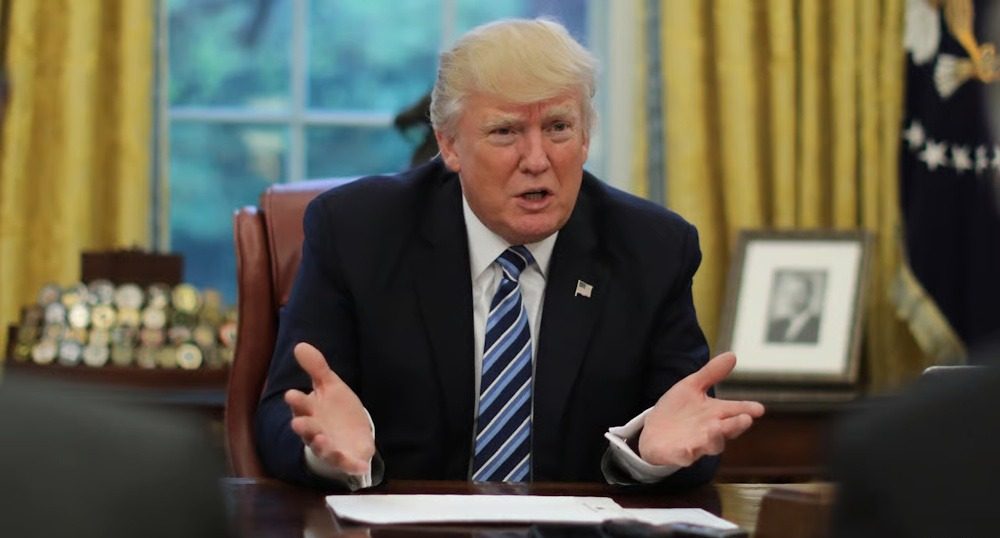
These developments follow President Donald Trump’s remarks on Monday evening, in which he stated, “We’re achieving major strides toward completing our military objective,” thereby reinforcing previous assertions that the military campaign may soon reach its conclusion. During a press conference held at his golf club in the vicinity of Miami, Trump stated, “We are also focused on keeping energy and oil flowing to the world.” Stocks exhibited a remarkable recovery on Monday from their session lows following Trump’s statement that “the war is very complete, pretty much.” The president conveyed that the U.S. is “very far” ahead of his earlier indicated timeframe of four to five weeks and that he is “thinking about” assuming control of the Strait of Hormuz. The remarks led to a decline in crude prices while simultaneously providing a lift to stock markets.
This statement clearly indicates that oil is currently in a dominant position in the near term. “Just from peak to trough, in one day, we saw oil prices correct down 30%, and risk assets, and specifically the stock market, rally throughout the news,” Matt Stucky said Monday. On Tuesday morning, energy ministers from the Group of Seven nations — Canada, France, Germany, Italy, Japan, the United Kingdom, and the U.S. — are scheduled to convene virtually to deliberate on a possible release of strategic oil reserves. Following the meeting of G7 finance ministers on Monday to deliberate on the current situation. In a statement, International Energy Agency Executive Director Fatih Birol — who attended the meeting — noted that the conflict in the Middle East was “creating significant and growing risks for the market,” while also indicating that various options, including the release of IEA emergency oil stocks, had been discussed.
Amin Nasser stated during an earnings call on Tuesday that the Iran war will result in “catastrophic consequences for the world’s oil market.” In a note on Tuesday morning, Paul Gooden indicated that oil prices might surge past $120 a barrel should the market disruption persist. “Oil prices could spike further until higher prices begin to curb demand,” he stated. “At that juncture, both consumers and businesses alter their behavior: reducing driving, minimizing air travel, or transitioning to alternative energy sources. The phenomenon of “demand destruction” has traditionally served as an inherent limit to prolonged price surges.