
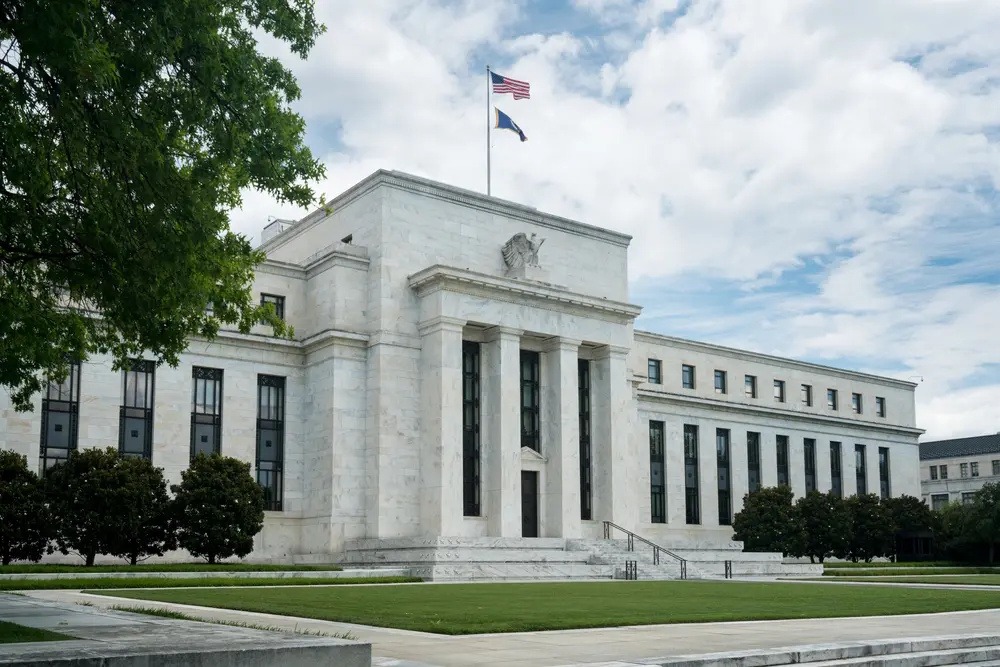
A significant inflation indicator fell short of expectations in September, as reported by the Commerce Department on Friday, following a delay due to the government shutdown. This development provides additional justification for the Federal Reserve to consider reducing interest rates. The core personal consumption expenditures price index, excluding the more volatile food and energy prices, registered a monthly increase of 0.2%, with an annual rate of 2.8%. The monthly rate aligned with the consensus of the Dow Jones, yet the annual figure fell short by 0.1 percentage point. The core annual rate decreased slightly from 2.9% in August. Furthermore, the headline PCE rose by 0.3% for the month, resulting in an annual inflation rate of 2.8%, as reported. Both readings aligned with expectations, although the annual rate increased by 0.1 percentage point from August. Federal Reserve officials utilize the PCE price index as their principal instrument for managing inflationary pressures. Officials evaluate both measures, yet they typically regard core as a more reliable gauge of long-term inflation trends. “The somewhat outdated September inflation report indicates that prices have remained relatively stable in the face of tariffs and robust consumer spending. “This probably provides further air cover for the Fed to cut rates in December,” stated Scott Helfstein.
Prices of goods increased by 0.5% month-over-month, reflecting the ongoing impact of President Donald Trump’s tariffs on the economy. Prices for services experienced a modest increase of 0.2%. The price of food increased by 0.4%, whereas energy prices experienced a rise of 1.7%. The report indicated that the personal savings rate remained stable from August at 4.7%. The release was delayed by several weeks due to the government shutdown, which resulted in a suspension of all data collection and economic reports. The release not only included inflation figures but also offered insights into income and spending patterns. Personal income increased by 0.4% month-over-month, whereas spending experienced a rise of 0.3%. Income exceeded the forecast by 0.1 percentage point, whereas spending fell short of the forecast by 0.1 percentage point.
Equities extended their upward trajectory in the wake of the announcement, as market participants speculate on a potential quarter percentage point reduction in interest rates by the Federal Reserve during its forthcoming rate decision on Wednesday. The probability of a rate cut during the upcoming Federal Reserve meeting next week stands at 87.2%, as indicated. The announcement regarding the interest rate decision is scheduled for Wednesday. While the September data reflects past conditions, it represents the final price assessment available to the Fed prior to its upcoming monetary policy meeting next week. Policymakers find themselves in a state of notable division regarding the appropriate course of action for interest rates moving forward. One faction of the FOMC advocates for further cuts to mitigate potential deterioration in the labor market, whereas another faction perceives ongoing inflationary pressures that necessitate maintaining rates in a more restrictive stance.
Recent labor market indicators reveal a sluggish hiring pace, with certain private data points indicating a rising trend in layoffs. Data indicated a decrease in initial unemployment benefit claims last week. A distinct economic report released on Friday indicated that consumer sentiment was somewhat more favorable than anticipated at the beginning of December. A survey reflecting a 4.5% increase from November and surpassing the estimate of 52. Inflation expectations have declined, with the one-year outlook decreasing to 4.1% and the five-year projection at 3.2%, marking their lowest points since January.