
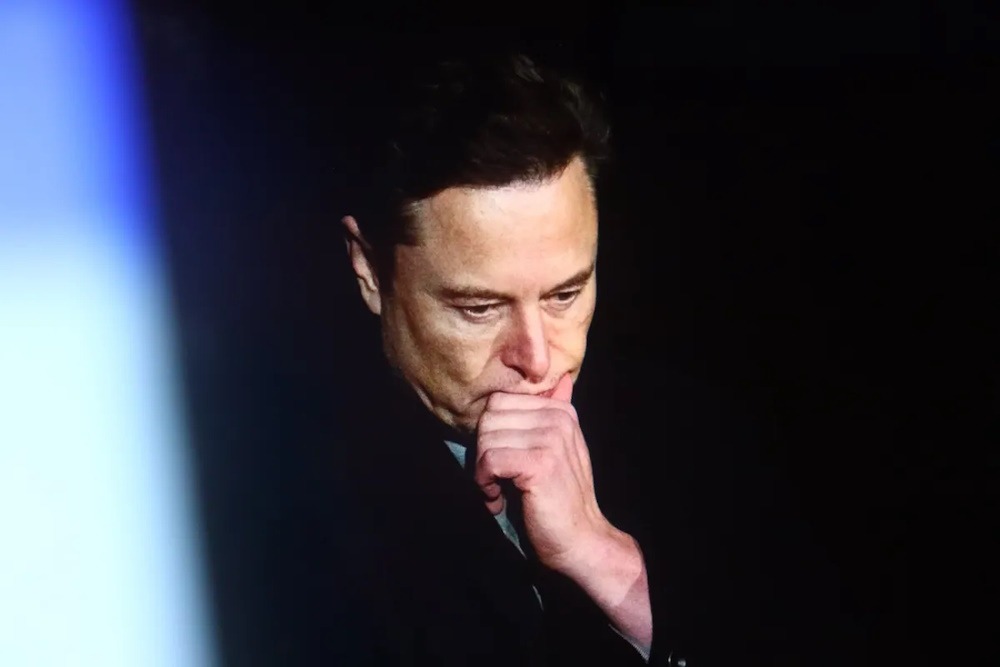
The Delaware Supreme Court ruled on Friday that Elon Musk’s 2018 CEO pay package from Tesla, valued at approximately $56 billion upon vesting, must be reinstated. The judges stated in their opinion, “We reverse the Court of Chancery’s rescission remedy and award $1 in nominal damages.” The Delaware Supreme Court judges determined that the lower court’s ruling to annul Musk’s 2018 compensation plan constituted an excessively harsh remedy, noting that the lower court failed to allow Tesla the opportunity to articulate what would constitute fair compensation. The ruling on the appeal in the case referred to as Tornetta v. Musk appears to conclude the protracted dispute regarding Musk’s unprecedented compensation package. Musk’s net worth is currently estimated at approximately $679.4 billion, as reported by the Forbes Real Time Billionaires List.
Dorothy Lund stated that although the Friday opinion might reinstate the 2018 compensation plan for Musk, it does not address or alter the remainder of the lower court’s ruling, which remains unchanged. “The court had previously determined that Musk held the position of a controlling shareholder at Tesla and that both the Tesla board and he orchestrated an inequitable compensation scheme for himself,” she stated. “This decision did not reverse any of that. We are proud to have participated in the historic verdict below, calling to account the Tesla board and its largest stockholder for their breaches of fiduciary duty,” lawyers stated. Tesla has yet to provide a response to the inquiries made for comment. The Delaware Supreme Court issued the order per curiam, with no individual judge claiming authorship of the opinion and no dissent recorded.
Tesla shareholder Tornetta initiated a lawsuit against Tesla in 2018, alleging that Musk and the company’s board violated their fiduciary responsibilities through a derivative action. In January 2024, Delaware’s Court of Chancery, which specializes in business matters, ruled that the compensation plan had been improperly awarded and mandated its rescission. Chancellor Kathaleen McCormick determined that Musk “controlled Tesla,” and noted that the process resulting in the board’s endorsement of his 2018 compensation plan was “deeply flawed.” Among other considerations, she determined that the Tesla board failed to disclose all pertinent information that should have been presented to investors prior to soliciting their votes for the approval of the plan.
Following the previous Tornetta ruling, Musk relocated Tesla’s incorporation from Delaware, criticized McCormick directly in posts on his social network X, previously known as Twitter, where he boasts tens of millions of followers, and urged other entrepreneurs to consider reincorporating outside the state. Tesla also sought to “ratify” the 2018 CEO pay plan by conducting a second vote with shareholders in 2024. In November, Tesla shareholders cast their votes in favor of an expanded compensation plan for CEO Musk. The 2025 compensation structure comprises 12 tranches of equity to be awarded to the CEO contingent upon Tesla achieving specific milestones over the forthcoming decade, with an aggregate value approximating $1 trillion. The proposed plan has the potential to elevate Musk’s voting power within the company from approximately 13% at present to roughly 25%. Shareholders approved a plan to replace Musk’s 2018 CEO compensation contingent upon the upholding of the Tornetta decision on appeal. The plan is now rendered null and void. As previously reported, a law firm representing Tesla in this appeal drafted a bill aimed at overhauling corporate law in Delaware earlier this year. The Delaware legislature passed the bill in March, and had it been applied retroactively, it might have influenced the outcome of this case.