
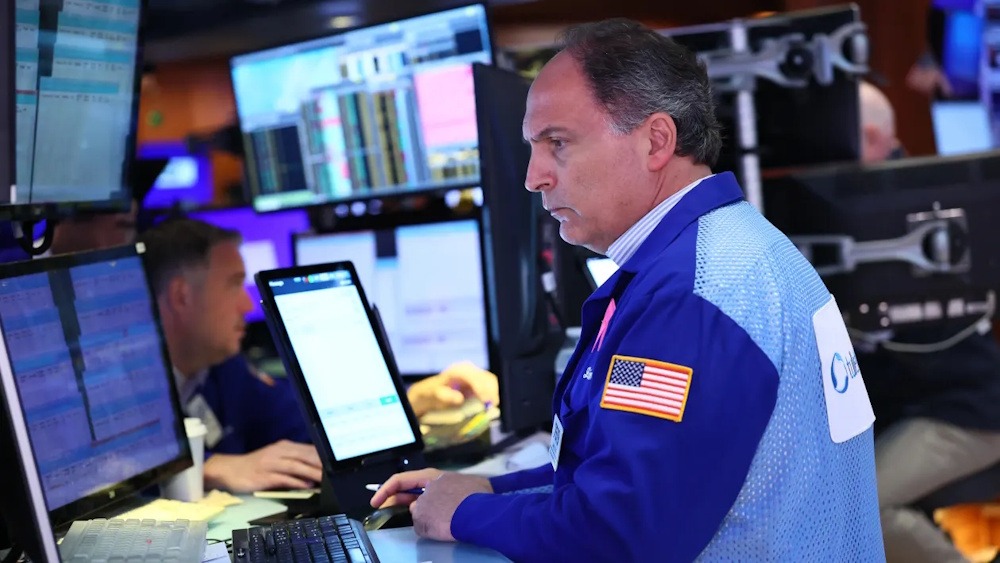
S&P Futures declined on Wednesday as market prepared to conclude a robust year for equities. Futures for the Dow Jones Industrial Average declined by 44 points, representing a decrease of 0.1%. S&P 500 futures declined by 0.1%, while Nasdaq 100 futures fell by 0.2%. The equity markets are poised for a fourth consecutive session of losses, albeit with modest declines. Nevertheless, the S&P 500 is on track to secure a 17% increase for the year, marking its third successive annual gain in double digits. The Nasdaq Composite has experienced a 21% increase, propelled by enthusiasm surrounding AI. The Dow has experienced a 13% increase for 2025, somewhat constrained by its limited representation of technology stocks within the 30-stock average.
That signifies a notable rebound from the downturn observed in early April subsequent to President Donald Trump’s extensive tariffs announcement. The S&P 500 approached the threshold of bear market territory at one juncture, declining nearly 19% from its peak in February and finishing below 5,000 for the first time since April 2024. Nonetheless, the recent downturns raise some concerns, particularly as the concluding five trading days of the year, followed by the initial two of the subsequent year, are generally characterized by a seasonally favorable period — commonly known as the “Santa Claus” rally — which typically provides stocks with a final boost as the year draws to a close.
The recent profit-taking may indicate potential volatility in the near future. It is anticipate that the S&P 500 may achieve another double-digit advance in 2026; however, there are concerns that stocks might remain range-bound for a significant portion of the year as corporate earnings growth aligns with elevated multiples. “As we look towards next year, we’re expecting a little bit more volatility,” stated Meghan Shue. “I believe this represents a constructive form of turnover as we prepare for the subsequent phase of the bull market, which we anticipate will persist, notwithstanding the ongoing, relatively elevated risk of recession,” Shue remarked. Artificial intelligence has emerged as the pivotal factor influencing market dynamics over the past three years. In 2023, the S&P 500 experienced a remarkable increase of 24%, following the introduction of ChatGPT the previous year, which ignited enthusiasm for companies poised to gain from a technological revolution reminiscent of the early days of the internet. In 2024, the broad market index experienced a further increase of 23%. The narrative surrounding AI experienced a degree of fragmentation this year, as the rally began to extend into other sectors, and performance among the so-called Magnificent Seven stocks displayed a notable divergence.
Alphabet emerged as the standout performer among the megacaps, appreciating over 65% year to date, as investors placed their confidence in the search giant’s potential to surpass OpenAI. Amazon exhibited underperformance, with an increase of approximately 6%. Furthermore, a number of asset classes beyond the megacaps have begun to show superior performance. Commodities experienced a particularly strong performance this year, with gold appreciating over 66%, while silver surged by more than 165%. As of Tuesday’s close, equities were positioned to conclude a successful month. The Dow has increased by 1.4% in December, positioning itself for its eighth consecutive month of gains, marking the first such streak since 2018. The S&P 500 has increased by 0.7%, positioning itself for an eighth consecutive month of gains. The Nasdaq has increased by 0.2%, positioning itself for its eighth positive month out of the last nine.