
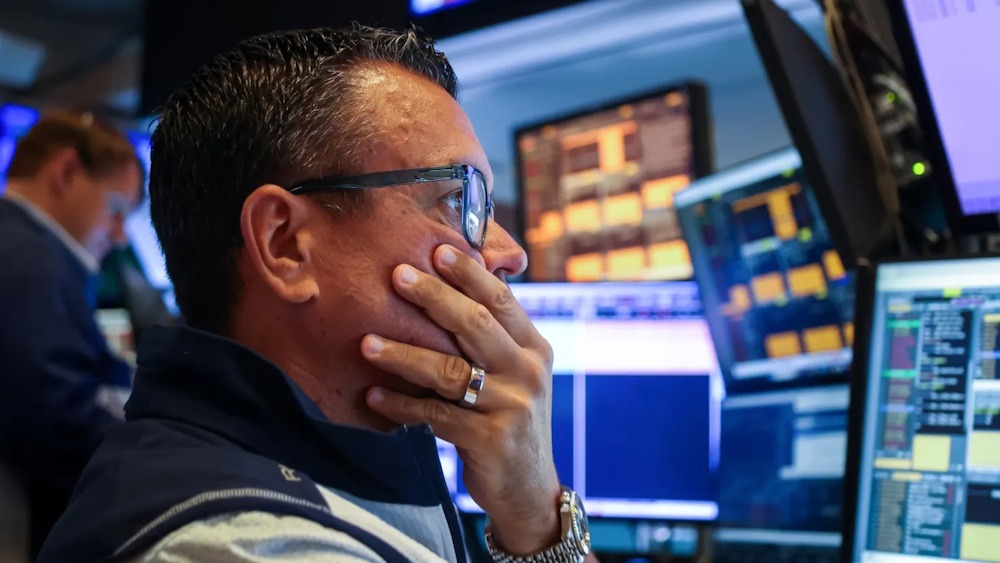
S&P futures remained close to unchanged overnight following the cessation of three consecutive days of gains for the S&P 500 and the Dow Jones Industrial Average. Futures associated with the 30-stock Dow experienced a modest increase of 12 points. S&P 500 futures exhibited minimal variation, whereas Nasdaq 100 futures experienced a decline of 0.1%. The S&P 500 and the Dow Industrials concluded Wednesday’s regular session with losses, despite reaching new all-time highs earlier in the day. The broad market index declined by approximately 0.3%, whereas the Dow experienced a decrease of 466 points, translating to about 0.9%. The tech-heavy Nasdaq Composite experienced an increase of nearly 0.2%, bolstered by a 2.4% rise in Google parent Alphabet, which resulted in the company’s market capitalization exceeding that of Apple for the first time since 2019.
On Wednesday, crude oil prices experienced a decline following President Donald Trump’s announcement that interim authorities in Venezuela would be transferring up to 50 million barrels of oil to the United States, raising apprehensions regarding a potential increase in oil supply. Valero Energy and Marathon Petroleum, prominent players in the oil refining sector, experienced an uptick in their share prices on Wednesday, following reports from sources indicating that Venezuela is set to export sanctioned oil to the U.S. on an indefinite basis. Defense stocks experienced an upswing on Thursday, building on previous gains following Trump’s proposal for a $1.5 trillion defense budget in 2027. Northrop Grumman experienced a 6.8% increase in premarket trading, while Lockheed Martin was observed to be 6.7% higher. RTX saw an advancement of 5.4%, and Kratos Defense recorded a rise of 6.6%. European defense stocks experienced an uptick, contrasting with the overall negative performance of markets across the Atlantic, where investors grappled with renewed rhetoric concerning Greenland.
Markets appear to have largely disregarded global geopolitical risks; however, escalating tensions may challenge the robustness of stocks as the new year approaches. “Geopolitical headlines often exert a significant influence on market movements over brief intervals … however, they typically become incorporated into prices, after which the markets revert to focusing on the more fundamental drivers of price action. For example, profits, margins, valuation and other metrics,” stated Anne Walsh. “What occurs is that the ‘buy the dip’ mentality resurfaces, leading to a scarcity of opportunities to adjust portfolios.”
“Being diversified and being ready is probably the best insurance, if you will, in terms of protecting portfolios and also being able to take advantage of opportunities,” Walsh said, adding that the stock market fundamentals remain “fairly good” with normalizing valuations and expected rate cuts ahead this year from the Federal Reserve. Nonetheless, Walsh, akin to numerous other investors, continues to monitor the headline risks that could impact the market. This week, investors are anticipating the Supreme Court’s rulings regarding the legality of tariffs enacted during the Trump administration, expected on Friday. Walsh noted that this could result in potential market volatility.