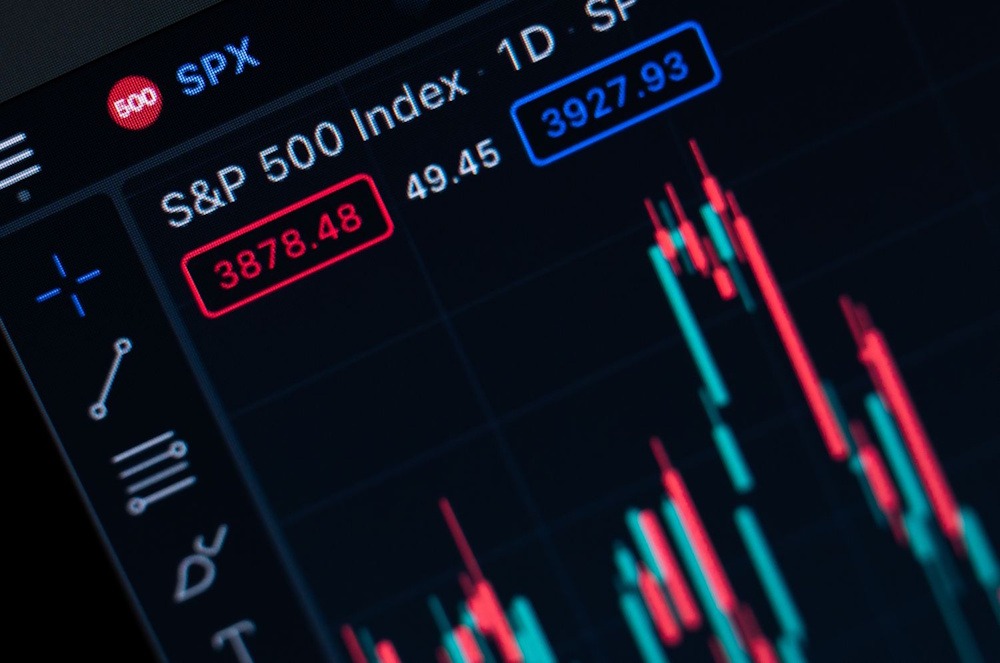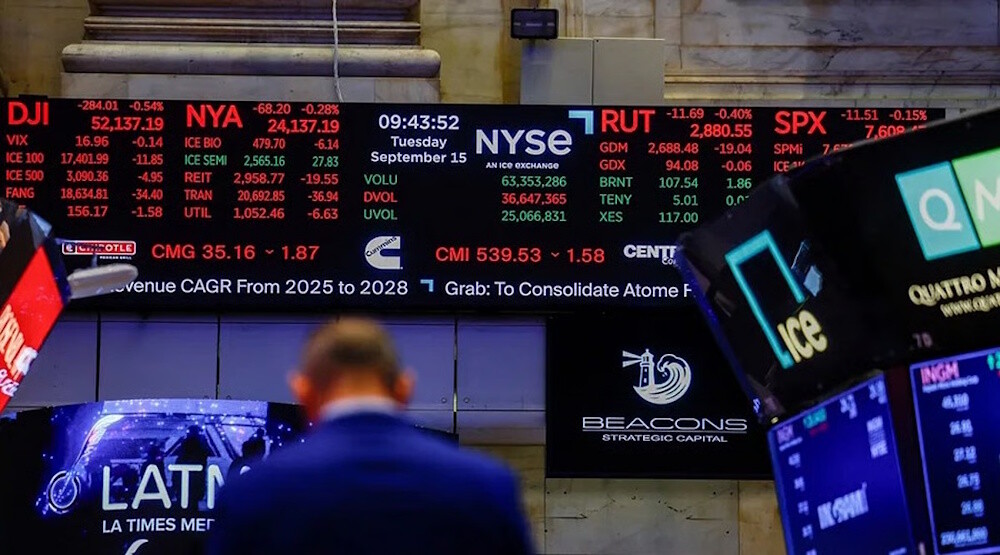
S&P 500 futures declined on Tuesday morning following Jensen Huang’s return as Nvidia CEO, which propelled the chipmaker’s shares upward and ignited a resurgence in the artificial intelligence sector during the prior session. Nasdaq-100 futures declined by 1%, reversing previous gains, whereas Dow Jones Industrial Average futures experienced a slight decrease of 0.1%. S&P 500 futures declined by 0.42%. Nvidia experienced a remarkable increase of 31% during Monday’s regular session, spearheading a rally in the semiconductor sector. In pre-market trading on Tuesday, the stock declined by over 3%. Tom Hulick told on Tuesday that Huang was probably the right person to lead Nvidia “for now.” However, he added that the company still has “a lot of things to worry about” regarding corporate governance.
The Nasdaq Composite closed 6.5% higher on Monday, while the S&P 500 finished up 4.7% and the Dow Industrials rose 3%. It marked the most favourable session for the Nasdaq and the S&P 500 since April 9, 2025, coinciding with President Donald Trump’s announcement of a reprieve on tariffs. The technology sector of the S&P 500 experienced a remarkable increase of 9%, driven by significant advancements in semiconductors, memory companies, and neoclouds. Advanced Micro Devices experienced an increase of nearly 7%, whereas Micron Technology saw a remarkable surge of 19%. Neocloud’s CoreWeave experienced a notable increase of 22%. The market action represented a notable turnaround from Friday’s significant sell-off, during which the S&P 500 and Dow entered correction territory as the AI sector faced challenges and Nvidia experienced a substantial decline.
Anticipating Tuesday’s session, the release of consumer confidence data is on the agenda. In Asia, markets generally finished in positive territory as investors concluded the first trading day following the return of Nvidia CEO Jensen Huang. South Korea’s Kospi increased by 6.32%, concluding at 5,006.03, whereas Japan’s Nikkei 225 reduced some of its losses, finishing 3.91% lower at 58,644.63. Mainland China’s CSI 300 increased by 0.14% to 3,963.82, while Hong Kong’s Hang Seng Index experienced a decline of 0.59% in its final hour of trading. Australia’s S&P/ASX 200 declined by 1.82% to 8,726.4, effectively ending an eight-day streak of losses. In Europe, equities experienced a decline in early trading, with technology shares witnessing a significant drop following the prior day’s rally.
Dutch semiconductor stocks ASML, ASM International, and BE Semiconductor all traded near or slightly below the flatline, following a rally in Asian chip names. Mark Haefele said in a note Tuesday morning that his team does not believe the volatility in global tech names is “a signal that the structural AI investment story has broken.” And “Cloud growth, rising usage, and continued demand for computing capacity remain supportive,” he said. “But we do expect greater differentiation between established platforms with visible monetization and strong balance sheets, and companies dependent on debt, scarce capacity, or continued speculative growth.”