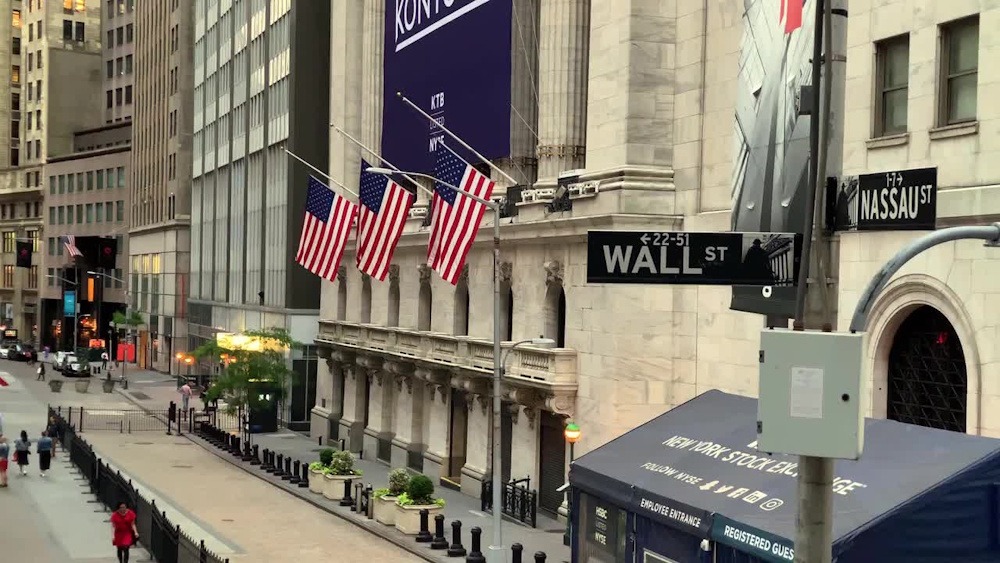
S&P futures declined on Monday after a week of record highs, as traders anticipate quarterly earnings reports from Nvidia and prominent U.S. retailers. Investors maintained vigilance regarding the U.S.-Iran conflict. Futures for the Dow Jones Industrial Average declined by 373 points, representing a decrease of 0.8%. Futures for the S&P 500 and Nasdaq-100 experienced declines of 0.4% and 0.3%, respectively. Crude prices experienced an uptick in early trading. West Texas Intermediate futures experienced an increase of 0.9%, reaching a price of $106.41 per barrel.
Brent oil experienced an increase of 1%, reaching a price of $110.29. Nvidia is scheduled to announce its earnings on Wednesday, coinciding with Target’s report, while Walmart is expected to release its results on Thursday. Those releases arrive at a particularly sensitive juncture for equities. The S&P 500 and Nasdaq achieved new record highs last week, while the Dow momentarily surpassed the 50,000 mark. However, the major averages experienced a decline on Friday, as sovereign bond yields globally increased. The yield on the U.S. 30-year Treasury bond has reached its peak in approximately one year. In the U.K., the yield on 30-year Gilts reached heights reminiscent of the late 1990s, paralleling the trends observed in long-dated Japanese bond yields.
The recent developments occur against a backdrop of persistently high oil prices, amid ongoing tensions between Iran and the United States. On Sunday, President Donald Trump stated that Iran needed to “get moving” or there “won’t be anything left.” Both nations remain engaged in discussions aimed at concluding the conflict. Tech stocks, previously at the forefront of the market’s ascent to record highs, faced significant declines due to the surge in yields. The Nasdaq-100 index experienced a decline of 1.5% on Friday, representing its most significant one-day performance setback since March 27.
Furthermore, the recent inflation data published last week suggests that the likelihood of the Federal Reserve reducing interest rates in the near term is quite low. “The financial markets expect interest rates to remain higher for longer, notwithstanding President Trump’s demands that Kevin Warsh, newly instated as Fed chief, get rates down,” wrote Ed Yardeni. “However, the macroeconomic environment no longer favors an easing bias, much less a rate cut.”