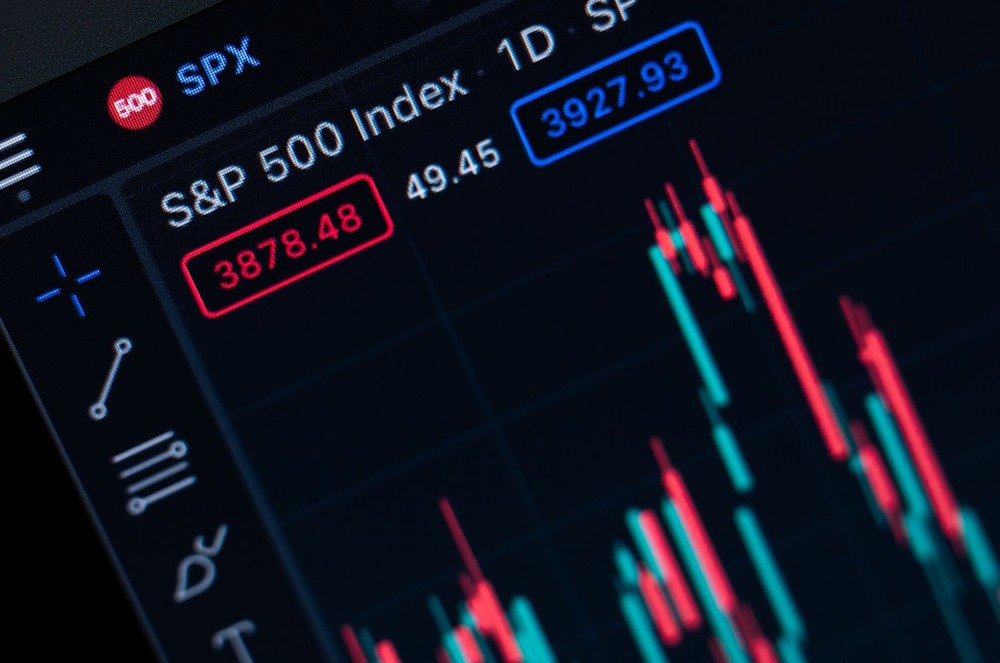
S&P futures declined early Thursday as rising yields in Treasurys triggered a market sell-off, with traders bracing for additional rate hikes from the Federal Reserve. S&P 500 futures declined by 0.6%, while Nasdaq-100 futures experienced a drop of 1% as of 5:05 am. Additionally, Dow Jones Industrial futures decreased by 224 points, equating to a 0.4% fall. During the regular trading day, the S&P 500 experienced a decline of 0.8%. The Nasdaq Composite experienced a decline of 1.1%, effectively ending its four-day winning streak. The benchmark 10-year Treasury note yield, which is linked to mortgage rates, surged to 5.139%, reaching its highest level since July 2007. The yield on the 2-year note increased to 4.897%, marking its highest level since 2023, while the 30-year Treasury yield rose by more than 3 basis points, reaching a peak of 5.438%, the highest since 2004. It occurred as oil prices experienced a significant increase. International Brent crude futures increased approximately 2.8%, reaching a price of $105.95 per barrel, whereas West Texas Intermediate crude experienced a gain of 2.2%, trading at $94.40.
As yields surged, the market’s anticipation of further rate hikes from central bank policymakers also increased. Fed funds futures trading indicates a probability exceeding 75% that the policy-setting Federal Open Market Committee will raise its key rate again in October, as per the CME FedWatch tool. That compares to an approximate 49% probability just a week prior. Elevated bond yields typically exert pressure on consumers’ financial situations, as they encounter increased borrowing expenses while simultaneously grappling with rising fuel prices. In a note Thursday morning, strategists from the Chief Investment Office at UBS Global Wealth Management indicated that their base case anticipates energy disruption to remain relatively contained and that an inflation shock is unlikely to be sufficiently widespread or enduring to impede economic growth.
“We continue to recommend positioning for further equity upside,” they said. “But the latest market movements showed that volatility is likely to continue, as investors remain concerned over a range of risks, including geopolitical developments, inflation, government debt, and the sustainability of AI capex. In our view, building portfolio resilience is equally important while staying invested.” Readings from S&P Global’s manufacturing and services purchasing managers’ indexes suggested that U.S. businesses are continuing to boom. BMO Capital Markets said in a Wednesday note that even as the results were strong, “severe supply chain bottlenecks,” as well as higher fuel and transport prices, can drive inflation. “Overall, it was a much stronger-than-expected read on US business activity that implies ample latitude for both policy rates and Treasury yields to push higher in the near-term,” said Vail Hartman.
“If anything, the data reinforces the risk of a renewed acceleration in demand-driven inflation even if supply-side inflation subsides.” As Thursday approaches, market participants will closely monitor weekly jobless claims for additional insights into the economic landscape. On the earnings front, quarterly results from Olive Garden parent Darden Restaurants are anticipated in the morning, followed by big-box retailer Costco Wholesale in the afternoon. In the Asia-Pacific region, Japan’s Nikkei 225 concluded the trading session with an increase of 0.76%, whereas Australia’s benchmark S&P/ASX 200 experienced a decline of 0.72%. Mainland China’s CSI 300 concluded the trading session with a decline of 1.73%. South Korea’s markets were closed in observance of a holiday. European shares experienced a decline in morning trading, as evidenced by the pan-European Stoxx 600, which decreased by 0.4%. Oil and gas stocks diverged from the prevailing market trend, experiencing significant gains as energy prices increased.