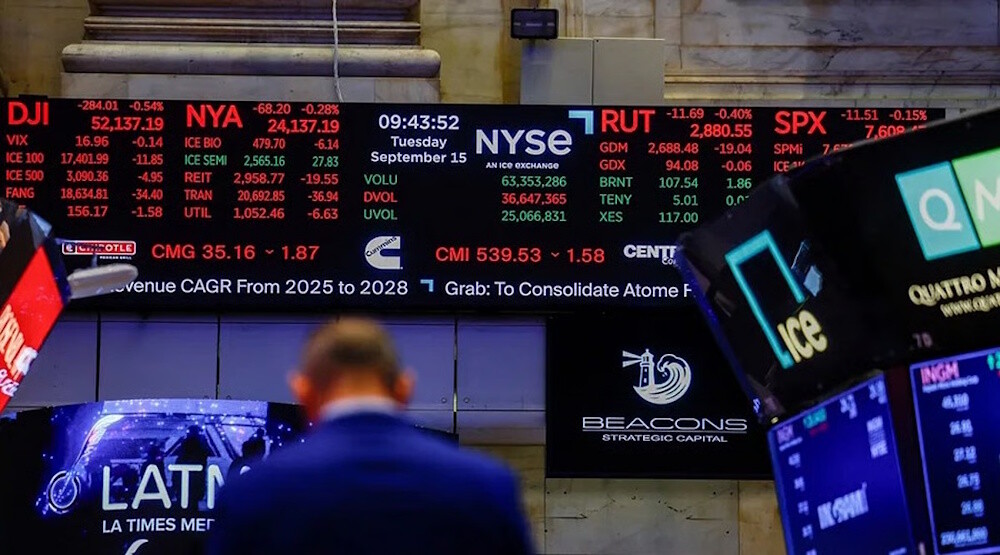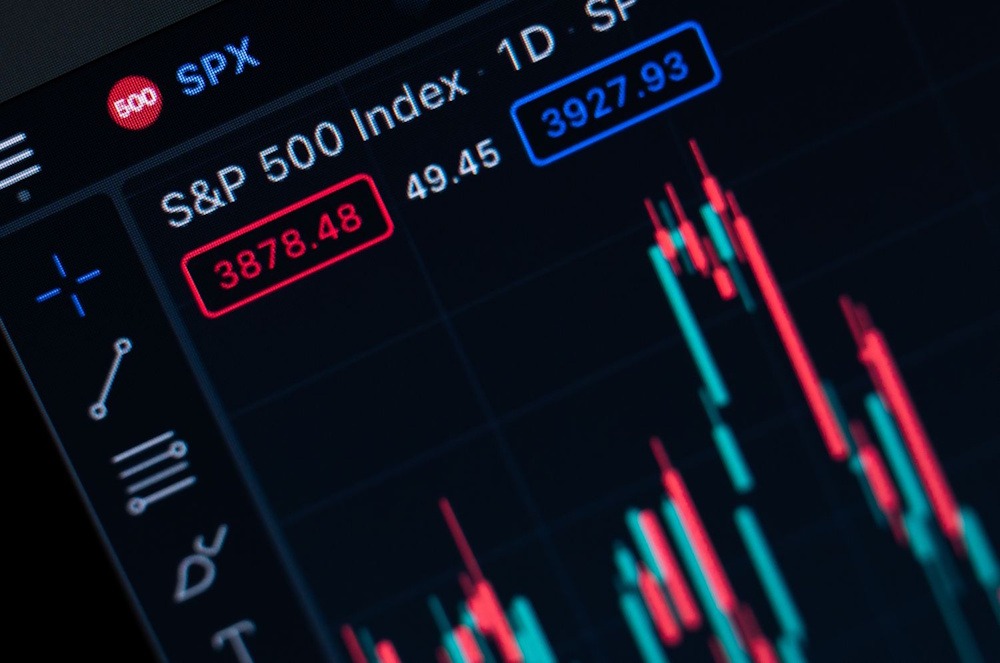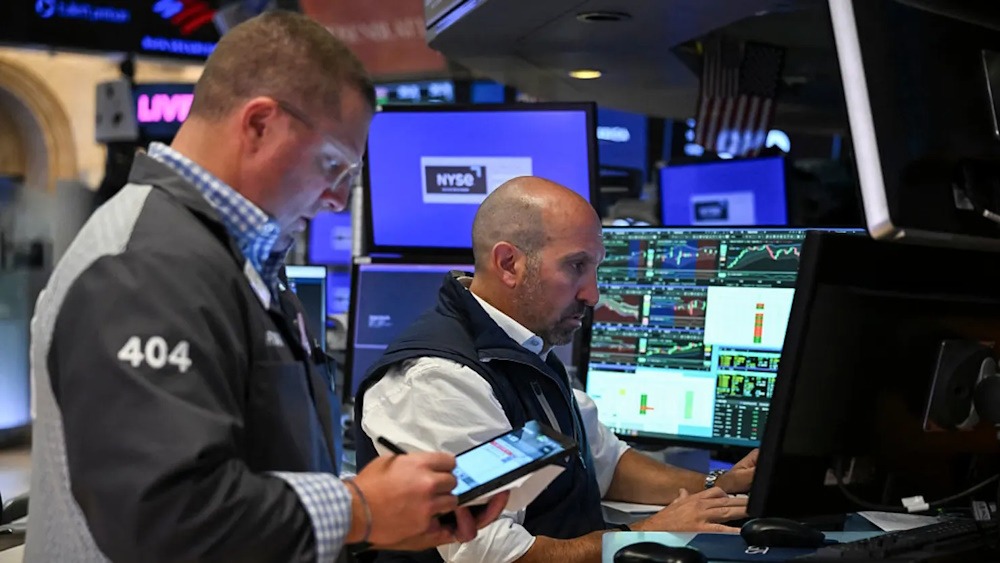
S&P 500 futures experienced an uptick early Friday, as investors prepared to conclude a volatile abbreviated trading week attributed to the Thanksgiving holiday. S&P 500 futures experienced an increase of nearly 2%, whereas Nasdaq-100 futures rose by 2.8%. Futures associated with the Dow Jones Industrial Average experienced an increase of 655 points, reflecting a rise of 1.3%. The actions occur within the context of a tumultuous week, which is part of an even more tumultuous month. In Asia, Japan’s Nikkei 225 experienced an increase of 0.3%, whereas South Korea’s Kospi saw a rise of 0.6%. Australia’s S&P/ASX 200 experienced an increase of 0.40%. European equities exhibited a general upward trend, with Germany’s DAX increasing approximately 1%, the U.K.’s FTSE 100 rising by 0.65%, and France’s CAC 40 index advancing by 0.35%.
The week commenced with Jensen Huang’s reinstatement as CEO at Nvidia, a decision that resulted in a 31% increase in the stock during Monday’s session, propelling the S&P 500 and Nasdaq Composite to achieve their most significant gains since April 2025. The Dow Jones Industrial Average advanced more than 1,400 points, or roughly 3%. Since then, however, the S&P 500 and Nasdaq have faced downward pressure as Nvidia and other stocks related to artificial intelligence have retraced some of Monday’s gains. That said, the two benchmarks remain on track for strong weekly performances, alongside the Dow. The S&P 500 has increased by nearly 4% week to date, whereas both the Nasdaq and Dow have experienced gains exceeding 4%. The stock market was closed on Thursday for Thanksgiving, and it is set to close on Friday at 1 pm.
Prior Following Huang’s departure earlier this month, sentiment regarding the AI sector had already turned pessimistic, as investors expressed worries about debt financing, indications of a slowdown in capital expenditures, and Democratic victories in the midterm elections leading to a deceleration in data center development. “The hyperscalers ultimately have to get an ROI, and they ultimately need to rebuild their free cash flow, and people like Anthropic need to prove that they can generate the revenue growth that people expect and ultimately be very profitable and free-cash-flow generative as well,” Janus Henderson said. “That’s all got to go hand in hand ultimately or that capex is not going to sustain,” he added. “It is all part of the AI technology wave that we think will play out for five to 10 years at minimum to come.”
To be sure, some on Wall Street contend that although there are enduring concerns regarding the AI sector, the recent downturn is more closely linked to the anticipated increase in interest rates by the Federal Reserve. The recent reading of the personal consumption expenditures price index this week bolstered traders’ anticipations for several rate increases in the months ahead. “Most of this stuff really comes down to the Fed. That’s the intermediate term factor,” Warren Pies on Wednesday. He added that “many” people his firm spoke with expressed worries of a “replay of 2018,” when the central bank hiked rates four times. “I think that there’s so many eerie similarities, and so that’s what we’re watching.”