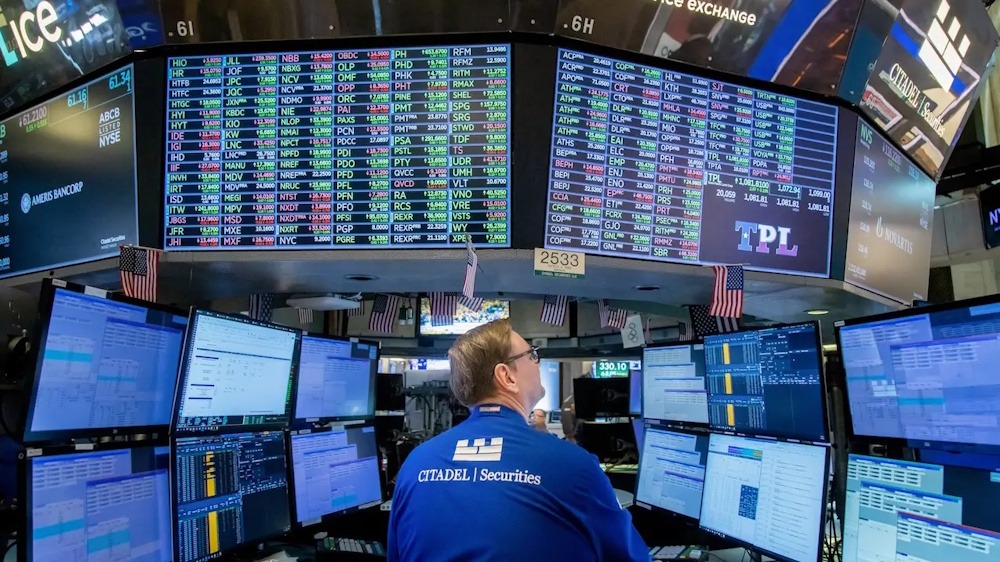
S&P futures experienced a decline early Thursday, coinciding with a rise in oil prices driven by intensifying conflict in the Middle East. Meanwhile, investors were assessing quarterly results from two of the largest global corporations. Futures associated with the Dow Jones Industrial Average declined by 154 points, representing a decrease of 0.3%. S&P 500 futures declined by 0.3%, mirroring the movement in Nasdaq 100 futures. Alphabet shares declined by 3.9% following the announcement that the Google parent company has raised its forecast for 2026 capital expenditures to a maximum of $205 billion, citing robust demand for artificial intelligence. The increase reflects a growing caution among investors in recent months regarding the spending of hyperscalers on AI initiatives.
Tesla experienced a decline of 6% following the announcement of a significant earnings miss for the second quarter. The company’s operating expenses increased at a rate that outpaced revenue growth during the period. Oil prices exerted additional pressure on equities, surging following claims by Yemen’s Tehran-backed Houthi militant group regarding attacks on two Saudi Arabian tankers in the Red Sea. This development has intensified worries about a potential escalation of the conflict in the Middle East. Prices also increased following U.S. President Donald Trump’s threat to bomb Iranian infrastructure.
Brent crude futures for July delivery increased by 4.9%, reaching $98.64 per barrel, whereas U.S. West Texas Intermediate crude futures rose by 4.2%, settling at $90.45 per barrel. Both Brent and WTI were trading at their highest levels since prior to the agreement between the U.S. and Iran to conclude their conflict last month. “Inflation has remained top of the agenda for markets this morning, with Brent crude moving up … as the Middle East escalation continues,” Deutsche Bank’s Jim Reid wrote in a note on Thursday morning.
“Indeed, the strikes between the U.S. and Iran show no sign of easing, and the Houthis said they targeted two oil tankers in the Red Sea yesterday, raising fears that the conflict is widening. So that’s pushed oil prices up to a 7-week high and has also fueled speculation about more rate hikes.”