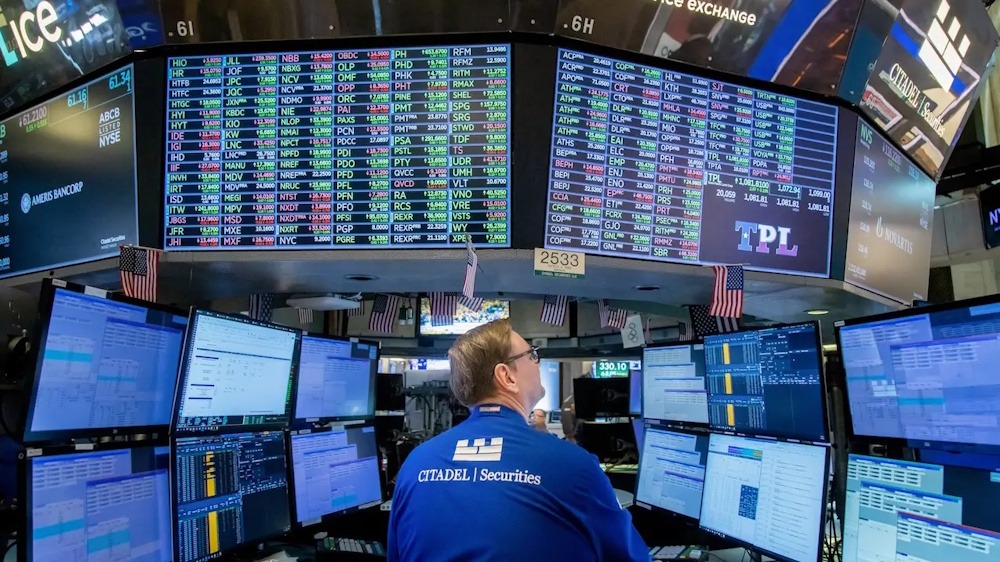
S&P futures hovered around the flatline on early Wednesday, as declines in the technology sector and rising oil prices tempered market sentiment. Futures for the Dow Jones Industrial Average and the S&P 500 exhibited minimal movement, whereas Nasdaq-100 futures experienced a decline of 0.2%. Oracle experienced a decline of nearly 1% in the premarket following a report, which cited sources indicating that OpenAI’s second-quarter results fell short of investor expectations. While revenue expanded by 18% between the first and second quarter, losses increased concurrently.
Alphabet shares experienced a decline in early trading, mirroring the downward trend of chipmakers Marvell and Intel. Oil experienced an increase of over 1% on Wednesday, following reports that Iran is contemplating an attack on U.S. targets in Europe. Persistently elevated crude prices have led to an increase in yields worldwide, as investors express concerns regarding rising inflation. The major U.S. stock averages declined on Tuesday, with the S&P 500 recording its third consecutive loss, as sovereign bond yields worldwide reached multiyear highs.
The 30-year Treasury yield reached a new 19-year high on Tuesday, while Japan’s 10-year bond yield hit its highest level in three decades. German 30-year bund yields have reached their highest level since 2011, while rates on France’s 30-year bond have climbed to the highest point since 2008. Still, “the economy is strong enough,” Adam Parker told on Tuesday. “I think the earnings and cash flows from these big companies are strong enough that they’ll power through any kind of scare that happens around this.”
The latest minutes from the Federal Open Market Committee meeting are scheduled for release on Wednesday afternoon. Investors are expected to scrutinise the minutes closely, particularly in light of the pronounced divisions within the central bank. At the July meeting, three dissenters voted in favour of raising rates, a division that investors will seek to understand in greater detail.