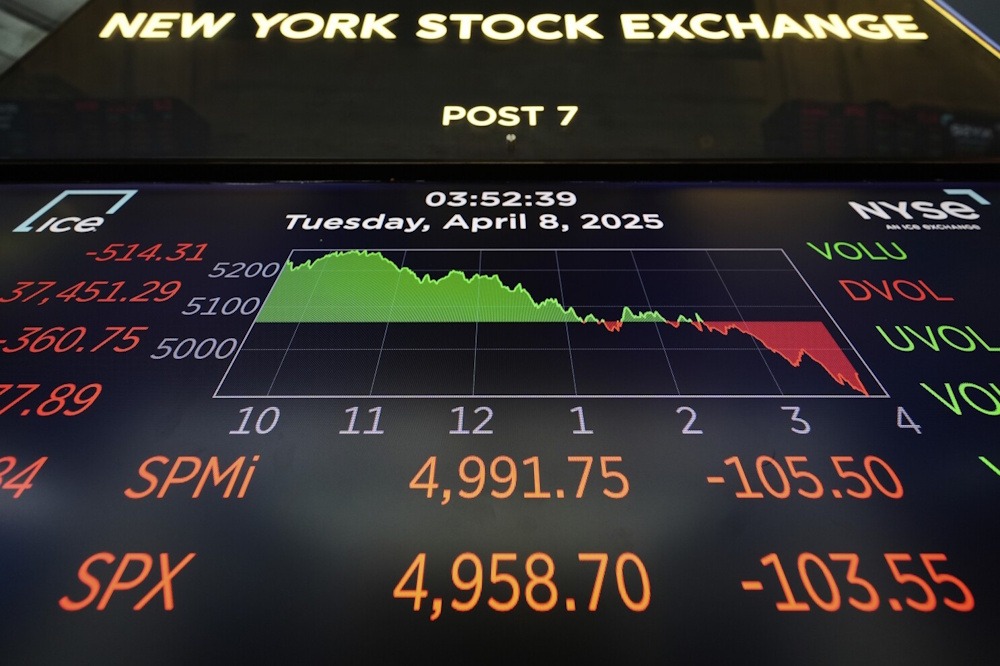
The S&P 500 experienced a decline on Monday, primarily influenced by downturns in technology stocks. Wall Street evaluated the recent progress in the Iran war negotiations while anticipating the forthcoming inflation data that is closely monitored by the Federal Reserve. The broad market index decreased by 0.37%, closing at 7,472.79, whereas the Nasdaq Composite experienced a decline of 1.32%, finishing at 26,166.60. The Dow Jones Industrial Average increased by 148.01 points, representing a rise of 0.29%, primarily driven by a nearly 4% increase in Caterpillar. Prominent technology companies dragged the market into negative territory. Shares of Alphabet declined by 5%, driven by apprehensions regarding the exodus of talent in the artificial intelligence sector. Amazon and Meta Platforms experienced declines of 4.8% and 2.3%, respectively. Microsoft shares experienced a decline of 3%. SpaceX was another underperformer. The stock experienced a decline of 16%, marking its third consecutive day of losses.
However, Micron Technology distinguished itself as one of the outperformers, experiencing an increase of nearly 7%. The action occurs in anticipation of the chipmaker’s quarterly report, scheduled for release on Wednesday after the market closes. Fellow chipmakers experienced upward movement, with Advanced Micro Devices increasing by over 2% and Intel rising by 5%. Brent oil futures experienced a decline on Monday following statements from mediators Qatar and Pakistan, indicating that U.S. and Iranian officials had reached an agreement on a roadmap aimed at finalising a deal within a 60-day timeframe. Oil prices subsequently hovered near session lows following the Treasury Department’s approval for the sale of Iranian oil for a duration of 60 days. International benchmark Brent crude futures for August declined by 3.31%, concluding at $77.90 per barrel. U.S. West Texas Intermediate futures for July concluded the trading session with a decline of 2.32%, settling at $74.82.
A crucial examination for the market this week will occur with the release on Thursday of May’s data concerning the personal consumption expenditures price index, which is the Federal Reserve’s favoured measure of inflation. Even excluding volatile food and energy prices, core PCE is anticipated to rise from April, according to economists. Following last week’s hawkish Fed meeting, expectations of an interest rate increase were advanced to as early as October. Investors are currently concentrating intently on any inflation indicators that might suggest the U.S. central bank is poised to initiate rate increases. Despite the recent pressures in equities, Tom Hainlin, national investment strategist at U.S. Bank Asset Management Group, maintains that conditions remain favourable, especially for U.S. large-cap stocks.
“If you examine the entities with the greatest resources, transparency, and earnings, the U.S. remains at the forefront for the time being, considering the ongoing [Middle East] conflict, the incomplete restoration of [oil] flows to normalcy, and the fact that the U.S. continues to possess its own energy supplies,” Hainlin stated. “As long as consumers are earning and confident in their employment, they are inclined to spend, and as long as businesses perceive the economy as robust and are planning for future expansion, that constitutes a favourable environment,” he added.